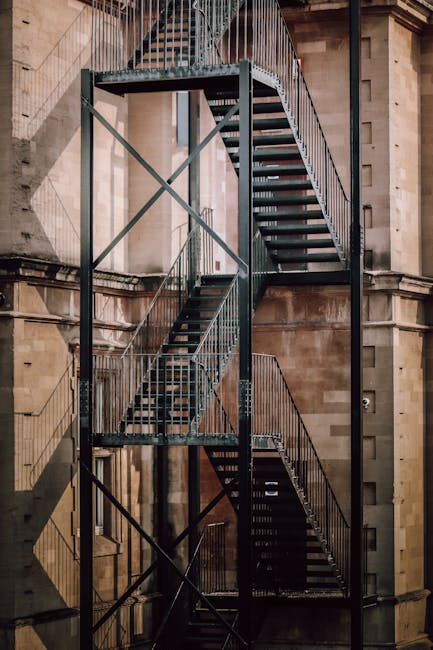
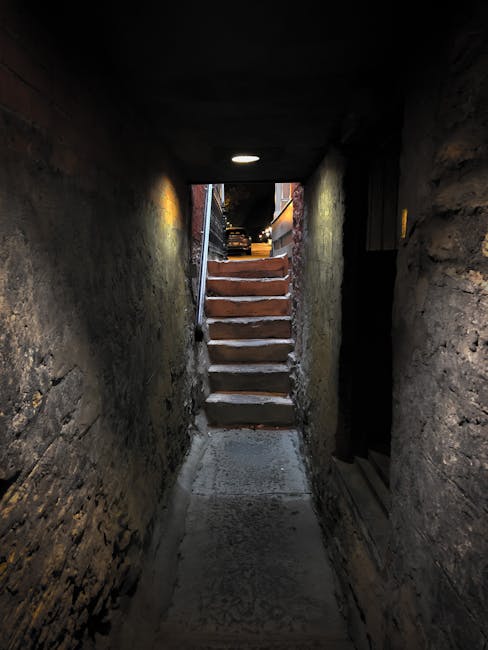
Narrow stairs in Hampstead flats: safe move strategies
If you are trying to move into or out of a Hampstead flat, you already know the feeling: beautiful period buildings, charming layouts, and staircases that seem to have been designed for a different century. Narrow stairs in Hampstead flats can turn an ordinary move into a careful, awkward, slightly sweaty puzzle. The good news? With the right planning, the right equipment, and a calm step-by-step approach, a tight stairwell does not have to become a disaster.
This guide explains narrow stairs in Hampstead flats: safe move strategies in plain English. You will learn how to assess the space, reduce risk, protect your home and belongings, and decide when to use specialists rather than trying to muscle through. Truth be told, a good move on a narrow stairwell is less about strength and more about judgement. And a bit of patience. Definitely a bit of patience.
Table of Contents
- Why Narrow stairs in Hampstead flats: safe move strategies Matters
- How Narrow stairs in Hampstead flats: safe move strategies Works
- Key Benefits and Practical Advantages
- Who This Is For and When It Makes Sense
- Step-by-Step Guidance
- Expert Tips for Better Results
- Common Mistakes to Avoid
- Tools, Resources and Recommendations
- Law, Compliance, Standards, or Best Practice
- Options, Methods, or Comparison Table
- Case Study or Real-World Example
- Practical Checklist
- Conclusion
- Frequently Asked Questions
Why Narrow stairs in Hampstead flats: safe move strategies Matters
Hampstead has a lot of older housing stock, converted terraces, and upper-floor flats with staircases that are characterful in the listing and awkward in real life. A sofa that looks fine in the hallway can become a very different object once it reaches the first turn. A wardrobe that seemed manageable in the van can suddenly feel like it has grown a stubborn extra inch. That is the reality of tight access.
Safe move strategies matter because a narrow stairwell is not just a convenience issue. It affects people safety, property protection, time on the job, and the mood of the whole move. A rushed lift, a poor grip, or a poor angle can lead to bumps, scrapes, damaged banisters, strained backs, or a piece of furniture getting wedged in place. Nobody wants that awkward pause where everyone is standing around, looking at the staircase, pretending the situation is under control.
In practical terms, the right strategy helps you:
- move belongings without damaging walls, doors, paintwork, or railings
- reduce the chance of slips, trips, and lifting injuries
- avoid delays caused by items that simply will not fit through the stairwell
- plan whether furniture needs dismantling, hoisting, or specialist handling
- keep neighbours, landlords, and building managers onside
For anyone moving in Hampstead, the difference between a smooth move and a stressful one often comes down to how well the stair access has been assessed before the first box is lifted.
If you are still figuring out the wider logistics, it can help to read the about us page to understand the kind of local, practical support a specialist storage or moving provider may offer. And if you are at the point of making plans, the contact us page is the sensible next stop.
How Narrow stairs in Hampstead flats: safe move strategies Works
At a basic level, safe movement through narrow stairs is about breaking the move into smaller decisions. Instead of assuming every item can be carried straight up or down, you assess the route, the object, the people available, and the time needed. That sounds simple, but it is where many moves either go well or go sideways.
The process usually works in four stages:
- Measure and inspect the route, including stair width, turns, ceiling height, landings, door swings, and any awkward corners.
- Match the item to the route by checking whether it can be tilted, wrapped, dismantled, or carried in a different orientation.
- Prepare the team and equipment so people know who is leading, who is spotting, and how communication will work in tight spaces.
- Move slowly and deliberately, using controlled lifts, protection for surfaces, and short pauses at safe points.
That last point sounds obvious, but it is often the difference-maker. Narrow stairs punish haste. You need more control, not more speed. If someone says, "we'll just nudge it round," that is usually the moment to stop and reset.
In many Hampstead flats, the stairwell may have a landing that is barely large enough to turn a mattress, let alone a fridge. Some buildings have old timber handrails, delicate plaster walls, or tight corners that cannot tolerate scraping. Safe move strategies account for those realities before lifting starts.
For some properties, the best answer is not a heroic carry at all. It may be partial dismantling, temporary storage, or moving items in smaller loads. That is not a failure. It is a smarter plan, and honestly, it saves everyone a headache.
Key Benefits and Practical Advantages
Safe strategies for narrow stairs are about more than avoiding accidents, though that alone would be enough. They also improve the overall efficiency of the move and reduce the hidden costs that come from damage or delay.
Better protection for belongings. Bulky items such as wardrobes, drawers, mirrors, mattresses, and white goods are vulnerable to knocks in tight stairwells. Planning the route and using proper wrapping, lifting straps, and corner protection gives those items a much better chance of arriving intact.
Less damage to the property. Hallway scuffs, chipped paint, cracked plaster, and dented banisters are common in cramped stair moves. Careful handling protects the flat, the communal areas, and your deposit if you are renting. Let's face it, no one wants to argue over a stair-rail scratch on moving day.
Lower physical strain. Carrying items in awkward positions up narrow stairs puts pressure on the back, shoulders, wrists, and knees. Proper team lifting, clear hand signals, and suitable moving aids reduce that load.
Fewer delays. A move that includes one item getting stuck on a landing can throw off the entire schedule. Good planning means fewer surprises and fewer "hang on a minute" moments.
Better coordination with neighbours and building access. In shared buildings, narrow stairs often mean narrow tolerance too. Keeping noise, blocking time, and communal disruption to a minimum helps everyone breathe easier.
More realistic decision-making. A careful assessment tells you early whether the move needs specialist help. That avoids the common mistake of discovering too late that the king-size bed simply will not make the turn.
Expert summary: The safest move strategy for narrow stairs is usually the one that reduces handling, limits turning angles, and avoids forcing furniture through space it was never designed to fit. If it feels like a squeeze, it probably is.
Who This Is For and When It Makes Sense
This approach is useful for a wide range of people, not just those moving a whole flat. It is especially relevant if you are dealing with:
- upper-floor Hampstead flats with compact stairwells
- period conversions with curved or awkward stair geometry
- heavy or fragile furniture that needs careful handling
- shared entrances where you must minimise disruption
- tenants preparing for end-of-tenancy move-out
- homeowners renovating or clearing rooms in stages
- landlords or letting agents arranging tenant changeovers
It also makes sense when you are moving just a few awkward items. A single sofa can be more challenging than ten boxes. Strange but true. Boxes are easier to stack, pivot, and carry; sofas have soft corners, shifting weight, and the habit of catching on railings at the worst possible time.
If your building has tight bends, split-level landings, or a staircase that narrows as it rises, then planning safe move strategies is not optional. It is the difference between a move that is handled calmly and one that becomes an improvised obstacle course.
Step-by-Step Guidance
1. Survey the staircase before moving day
Do not rely on memory alone. Go through the route from the front door to the flat and note every pinch point. Check stair width, handrails, overhead clearance, corners, and whether the door opens into the path. If possible, measure the largest items and compare them against the narrowest parts of the route.
Take photos if needed. A quick phone picture of a landing or awkward bend can save a lot of guesswork later.
2. Decide what should be dismantled
Some furniture should travel in pieces rather than as a whole. Bed frames, table legs, shelving units, and some wardrobe sections are often more manageable if partially taken apart. Wrap screws and fittings in labelled bags. It sounds mundane, but in the middle of a move, tiny fixings have a magical ability to disappear.
3. Protect the route
Use floor protection, corner guards, padded blankets, and door frame covers where needed. In older Hampstead buildings, a little protection goes a long way. A painted wall can pick up marks from a passing chair leg in seconds, especially when a stair corner is tight and everyone is concentrating on not dropping the lamp.
4. Assign roles clearly
One person should lead the item and call the pace. Another should spot the walls, railings, and turns. If there is a third person, use them as a route checker or door holder. Too many people all trying to help can actually make things worse. Nice intentions, messy staircase.
5. Use the right carrying method
For long or awkward items, carry them vertically or diagonally only if the route allows it. Keep the item close to the body where possible. Move slowly, pause on safe landings, and never force a turn. If the object resists, stop and re-angle it rather than pushing harder.
6. Keep communication short and consistent
Use simple calls such as "lift," "pause," "turn," and "down." In a tight stairwell, long explanations are not much use. Clear signals reduce confusion, especially when sightlines are poor and the item blocks the view.
7. Reassess after every awkward section
Once an item clears one turn, do not assume the rest will be easy. Every staircase has its own little trap. A landing that seems generous on the way up can feel tiny on the way back down. Reassess, reset, and keep going.
8. Know when to stop
If something is stuck, unstable, or too heavy for the available team, stop. There is no medal for forcing a chest of drawers through a stairwell at 7:30 in the morning while everyone pretends this is still fine. Sometimes the best move strategy is the one that admits the item needs a different plan.
Expert Tips for Better Results
Measure the awkward points, not just the obvious ones. People often measure the staircase at the widest point and call it a day. The real issue is usually the narrowest bend or the sharpest corner.
Move the largest items first if the route is clean and open. If the staircase is easiest at the start of the day, tackle the heavy or oversized items while everyone is fresh. Small, light boxes can follow later.
Label items by room and priority. This keeps the move organised and helps decide what must be kept accessible. It also stops you from carrying a box of winter coats up three floors only to realise your kettle is still in the van.
Use soft pauses, not sudden drops. In narrow stairs, controlled lowering is much safer than reacting quickly. A rushed movement often causes the very scrape you were trying to avoid.
Protect your hands and grip. Gloves with a sensible grip can help with boxes, metal handles, and furniture edges. Just make sure they do not reduce dexterity too much.
Plan for the weather. A damp London morning can make steps slippery and box handles less reliable. It is one of those tiny details people underestimate until they are standing in the doorway with a wet cardboard corner in hand.
Keep a spare plan. If a sofa will not turn, have a dismantling option or a storage option ready. Flexible planning is a genuine advantage, not a nice-to-have.
If you want a provider with a clear service approach and useful background details, the homepage is a sensible place to start, and the terms and conditions page is worth checking before committing to any service arrangement.
Common Mistakes to Avoid
Skipping the measurement stage. This is the classic error. A flat may look spacious enough, but a tight bend or low ceiling can change everything.
Assuming every item can be tilted. Some furniture can be angled through a narrow stairwell. Some cannot. Forced angles often create damage on both sides of the move.
Using too many people in a confined space. More bodies can mean more clashes, more confusion, and less room to manoeuvre.
Dragging items over steps. Dragging may feel easier in the moment, but it is rough on finishes, feet, and backs. Not great.
Ignoring communal areas. Shared hallways and staircases need care too. A moving team that treats the shared entrance like a warehouse corridor will quickly annoy everyone in the building.
Failing to protect surfaces. A blanket tucked awkwardly, or no protection at all, is usually a false economy.
Underestimating fatigue. Moving on narrow stairs is tiring because every movement is controlled. That means breaks matter. Tired hands make clumsy decisions.
Not asking for help early enough. If you already know an item is awkward, do not wait until it is wedged on the staircase. Early planning keeps options open.
Tools, Resources and Recommendations
You do not need a warehouse full of equipment, but a few good tools make narrow stair moves much safer and smoother.
- Moving blankets for wall, door, and furniture protection
- Corner guards to shield sharp edges and painted corners
- Straps or lifting aids for better control on heavy items
- Furniture sliders for short internal shifts on flat surfaces
- Labelled bags and tape for fixings, parts, and dismantled pieces
- Non-slip gloves for grip and hand protection
- Floor coverings to reduce scuffs on communal or internal flooring
One useful recommendation is to sort items into three groups before moving day: easy to carry, careful carry, and needs a different plan. That last group is the one people often avoid naming, but it is the most valuable. It lets you decide early whether storage, dismantling, or specialist handling is the better route.
For readers who want to understand how a local provider works in practice, the about us page can help set expectations, while the contact us page is the quickest way to ask about access, timing, or suitability for a particular stair layout.
Law, Compliance, Standards, or Best Practice
For a private move, there usually is not one single legal formula that solves narrow stair access. Still, there are important expectations around health and safety, risk awareness, and property care. If you are using a moving company, both the business and the customer should approach the job with sensible precautions.
Best practice generally includes:
- carrying out a route assessment before moving heavy or bulky items
- using enough people for the weight and awkwardness of each item
- protecting common parts and the property itself
- avoiding unsafe lifting or forcing items through a space that is too tight
- keeping access routes as clear as possible for all building users
In shared residential buildings, it is also sensible to be considerate about timing, noise, and obstruction. Some flats have leasehold or building management expectations about protecting communal areas or booking lift or access windows. Those details vary, so check the building's own rules rather than guessing.
If you are unsure how much responsibility sits with you and how much sits with your chosen provider, read the service information carefully. The privacy policy and terms and conditions pages can also help clarify how enquiries, bookings, and customer information are handled. That is not the glamorous part of moving, granted, but it is part of being organised and properly informed.
One practical point: if an item clearly cannot be moved safely through a narrow stairwell, the safest answer may be to stop and rethink. That is a good judgement call, not a failure to try.
Options, Methods, or Comparison Table
Different items and stair layouts call for different approaches. Here is a simple comparison of common methods used for tight stair moves.
| Method | Best for | Pros | Limitations |
|---|---|---|---|
| Manual carry with two people | Boxes, small furniture, light appliances | Simple, flexible, low equipment needs | Can struggle on tight corners or heavier items |
| Manual carry with a spotter | Fragile items and awkward routes | Better control, fewer scrapes, improved guidance | Needs coordination and space for the team |
| Partial dismantling | Wardrobes, beds, shelving, tables | Often solves access issues, reduces bulk | Takes time and careful labelling |
| Specialist handling | Large, heavy, or difficult items | Professional approach, better risk management | May cost more and require scheduling |
| Temporary storage first | Items that are too large for the route or timing | Removes pressure, lets you move in stages | Adds an extra step to the move |
In real life, the best answer is often a mix of these methods. A mattress may go up the stairs fine, while the wardrobe waits for dismantling. A dining table might be easy once the legs come off. That mixed approach is normal, and usually smarter.
Case Study or Real-World Example
Imagine a second-floor Hampstead flat with a narrow internal staircase, a tight half-landing, and a curved top turn. The move includes a double mattress, a bed frame, a two-door wardrobe, a small sofa, and several boxes. On paper, it looks like a standard job. In person, it is a careful puzzle.
The practical strategy would be to:
- measure the widest items against the narrowest staircase point
- dismantle the wardrobe and bed frame before moving day
- wrap corners and rail contact points with blankets
- move the sofa only after checking whether it can pivot around the top turn
- send the mattress first if it can be flexed safely
- carry boxes in smaller batches to keep the stairwell clear
What usually saves time in a scenario like this is not rushing the load-in. It is preparing the awkward pieces before they reach the stairwell. That way, the stairwell is used for moving, not for troubleshooting. Small difference, big result.
We have seen moves where the team spent more energy arguing with a wardrobe than actually moving the rest of the flat. The fix was not stronger lifting. It was dismantling the item properly and starting again with a better plan. Once that happened, the whole job settled down.
Practical Checklist
Use this checklist before move day if you are dealing with narrow stairs in a Hampstead flat:
- Measure stair width, landings, and tight corners
- Check door swings and ceiling clearance
- List the largest and heaviest items first
- Decide what should be dismantled
- Pack fixings in labelled bags
- Protect walls, floors, and rails
- Confirm how many people are needed for each item
- Prepare gloves, blankets, straps, and tape
- Clear the route of loose items and trip hazards
- Plan short pauses for fatigue and reassessment
- Keep a backup plan for oversized pieces
- Check building access rules or timing expectations
Quick reminder: if the item looks too large for the stairwell on paper, it will probably feel even larger on the day.
Practical takeaway: The safest move strategy is usually the simplest one that respects the space. Measure properly, dismantle what you can, protect everything, and do not force the issue.
Conclusion
Narrow stairs in Hampstead flats can make moving feel more complicated than it should be, but they do not have to derail the whole process. With careful planning, the right tools, a realistic sense of what will fit, and a willingness to use a different method when needed, the move becomes far more manageable. In many cases, the winning strategy is simply to slow down, think clearly, and keep the stairwell out of the drama.
That is especially true in older London buildings where access is tight, surfaces are easy to mark, and every turn seems to ask for a slightly different solution. Respect the space, and the space usually behaves a lot better in return.
Get a free quote today and see how much you can save.
If you are still unsure how your flat's stair access will affect the move, it is worth speaking to a local team early rather than leaving it to the day itself. A short conversation now can spare you a long afternoon later.
Frequently Asked Questions
How do I know if my furniture will fit up narrow stairs in a Hampstead flat?
Measure the furniture at its widest and longest points, then compare those dimensions with the narrowest parts of the staircase, including turns and landings. If there is any doubt, assume the item may need dismantling or a different route.
What is the safest way to move a sofa up narrow stairs?
The safest approach is usually to check the route first, protect the walls and corners, and carry the sofa with at least two people, plus a spotter if the stairwell is very tight. If the sofa does not turn cleanly, stop and reassess rather than forcing it.
Should I dismantle furniture before moving day?
Yes, if the item is bulky, awkward, or likely to catch on a turn. Bed frames, wardrobes, shelving, and some tables are often much easier to move in pieces. Label the parts carefully so reassembly is not a headache later.
Are narrow stairs in Hampstead flats more difficult than in newer buildings?
Often, yes. Older flats can have tighter turns, smaller landings, and less forgiving stair geometry. Newer buildings may still have access issues, but period conversions are especially likely to need careful planning.
What equipment helps most with narrow stair moves?
Moving blankets, corner guards, lifting straps, protective gloves, and floor coverings are usually the most useful items. For some moves, furniture sliders and basic dismantling tools also help a great deal.
Can I move everything myself if the stairs are narrow?
Sometimes, but not always. Lightweight boxes may be fine, yet large furniture, appliances, and fragile items often need extra hands or professional handling. If the route feels awkward before you start, that is a fair sign to get support.
How can I avoid damaging the walls and banisters?
Use padding, move slowly, keep one person spotting the route, and avoid turning items too quickly. The biggest damage usually happens when people rush at the corners or try to squeeze through without pausing.
What should I do if an item gets stuck on the stairs?
Stop moving immediately. Reassess the angle, lower or raise the item in a controlled way, and remove pressure from the narrow point. If needed, dismantle the item or bring in help rather than forcing it through.
Do I need permission to move through a shared staircase?
Usually you do not need special permission for a standard move, but building rules can vary. It is sensible to check any local access or communal area expectations, especially in managed or leasehold buildings.
How much extra time should I allow for a move with narrow stairs?
There is no one-size-fits-all answer, because every staircase is different. A move with tight stairs usually takes longer than a straightforward ground-floor job, especially if items need dismantling or extra protection. Build in a buffer so the whole day does not feel rushed.
What is the biggest mistake people make with narrow stairs?
The biggest mistake is assuming the item will fit once people start lifting. Measuring, planning, and choosing the right method beforehand is what prevents most problems. In other words, the staircase should never be the place where the plan begins.
When should I ask for professional help?
If the item is heavy, valuable, awkward, or clearly too large for the route, ask for help early. Professional support is especially useful when the staircase has tight turns, delicate finishes, or limited room for manoeuvre.
For practical next steps, it is worth checking the provider's general information and reaching out early if your Hampstead flat has a particularly tight access point. A few minutes of planning now can save a lot of stress on moving day, and that small win matters more than people think.